What Is Internal Family Systems Therapy?

Many people come to therapy feeling like they're constantly fighting with themselves.
A part of you wants to speak up.
Another part says, "Don't make a scene."
One part wants connection.
Another pulls away.
One part believes change is possible.
Another is convinced nothing will ever get better.
Internal Family Systems (IFS) begins with a simple idea:
These conflicting experiences don't mean something is wrong with you.
They are a normal aspect of being human.
Rather than trying to eliminate anxiety, perfectionism, self-criticism, or emotional shutdown, IFS helps us become curious about the protective roles these patterns have been playing.
That shift often changes everything.
Why I Use Internal Family Systems
There are many effective therapy approaches.
IFS has become the primary model I use because it offers a compassionate way of understanding emotional suffering.
Many people have spent years trying to control, suppress, or fight the parts of themselves they dislike.
The anxious part.
The perfectionistic part.
The self-critical part.
The part that avoids conflict.
The part that shuts down emotionally.
IFS approaches those experiences differently.
Instead of asking,
"How do we get rid of this?"
it asks,
"What has this part been trying to protect?"
That question often opens possibilities that years of self-criticism never could.

Understanding "Parts"
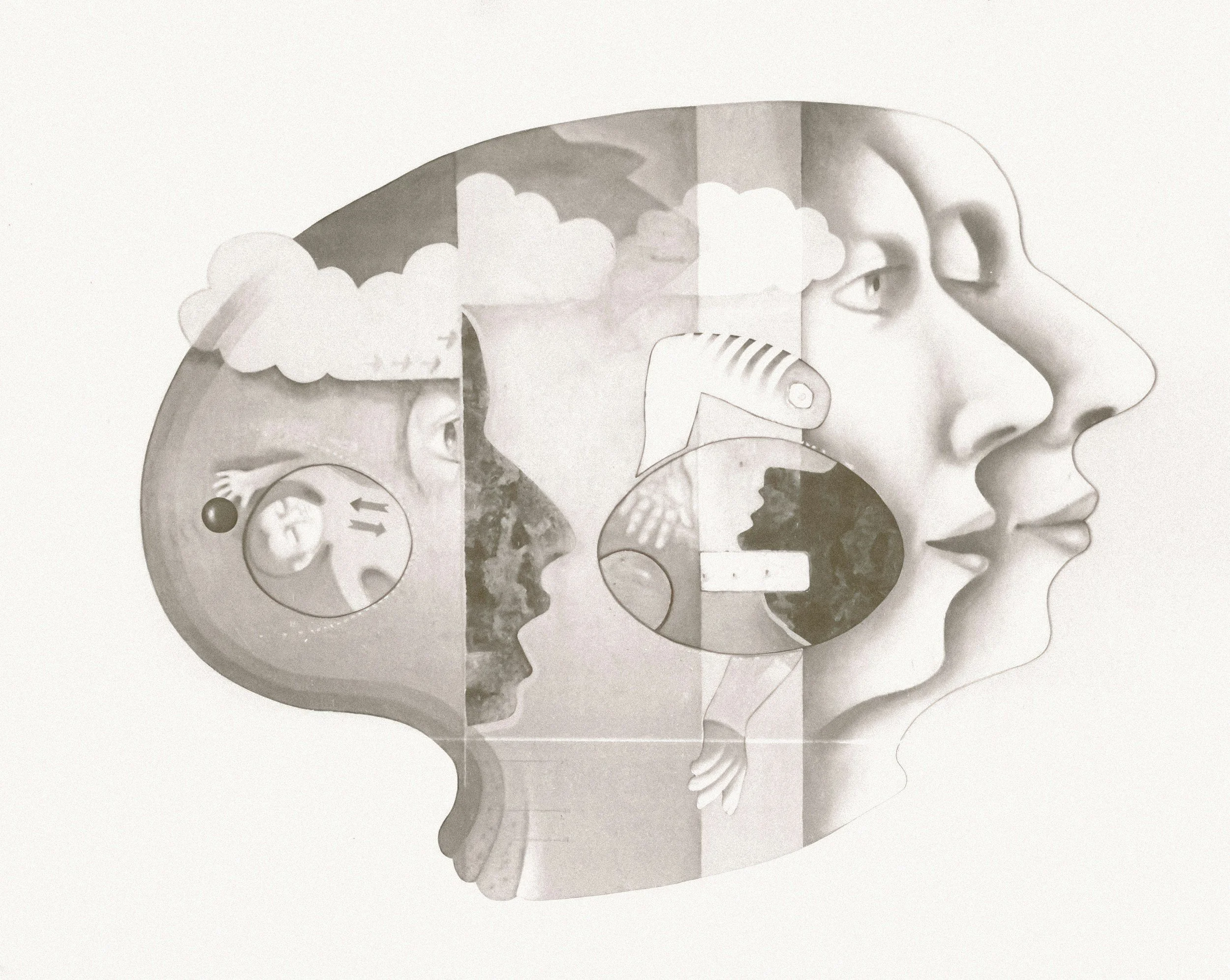
IFS suggests that our minds naturally organize into different parts with different perspectives, emotions, and goals.
Most people recognize this experience immediately.
Part of you wants to exercise.
Another part wants to stay home.
Part of you wants to set a boundary.
Another worries someone will be disappointed.
Part of you knows a relationship isn't healthy.
Another can't imagine letting it go.
These aren't signs of being broken.
They're ordinary experiences that become more intense when life has required us to develop strong protective strategies.
Protective Parts Make Sense

Many of the parts people struggle with today originally developed to help them survive.
Perfectionism may have helped earn approval.
People pleasing may have reduced conflict.
Emotional numbing may have made painful experiences more manageable.
Self-criticism may have developed as an attempt to prevent mistakes or rejection.
These strategies often worked remarkably well.
The difficulty is that they may continue operating long after the circumstances that created them have changed.
Healing isn't about forcing these parts to disappear.
It's about helping them discover they no longer have to work so hard.
What Therapy Looks Like
IFS therapy isn't about analyzing your childhood for months or trying to think your way out of emotional pain.
Sessions are experiential.
Together, we become curious about the thoughts, emotions, body sensations, and inner conflicts that arise in your daily life.
Rather than pushing difficult emotions away, we slow down enough to understand them.
Over time, many people find that the internal battles that once felt overwhelming begin to soften.
Not because they're trying harder.
Because the parts carrying those burdens begin to feel understood.

Is IFS Right for You?
IFS tends to resonate with people who:
Have already spent years trying to understand themselves.
Feel stuck despite previous therapy.
Experience strong inner conflict or self-criticism.
Want to heal rather than simply manage symptoms.
Value curiosity, compassion, and long-term growth.
It may be less appealing to people looking primarily for structured homework, coping strategies, or short-term symptom reduction.
Frequently Asked Questions
Is Internal Family Systems therapy only for trauma?
No. While IFS is widely used in trauma therapy, many people seek it for anxiety, depression, perfectionism, relationship difficulties, grief, and life transitions.
Do I have to believe I have "parts"?
No.
Most people naturally recognize different sides of themselves. IFS simply provides a compassionate way of understanding those experiences. You don't need to adopt any particular belief system for the therapy to be helpful.
Is IFS the same as having multiple personalities?
No.
IFS does not suggest that people have multiple personalities. It views "parts" as normal aspects of every person's inner experience.
Can IFS be combined with ketamine-assisted psychotherapy?
Yes.
When clinically appropriate, IFS can provide a helpful framework for preparing for and integrating ketamine experiences. Rather than replacing therapy, ketamine becomes one part of a broader therapeutic process.