Therapy For PTSD
Stop coping. Start healing.


The constant hypervigilance is exhausting...
The complete overwhelm of getting triggered is even worse.
LIVING ON HIGH ALERTYou are always managing PTSD
You are always managing PTSD. You can get triggered at a grocery store, at a party, or even just by the wrong text. Then the anger, or the shame, or the total shutdown flood you. It’s like you aren’t even there anymore. Because of what you have experienced in your life, your nervous system is on high alert 24/7 and that is unsustainable.

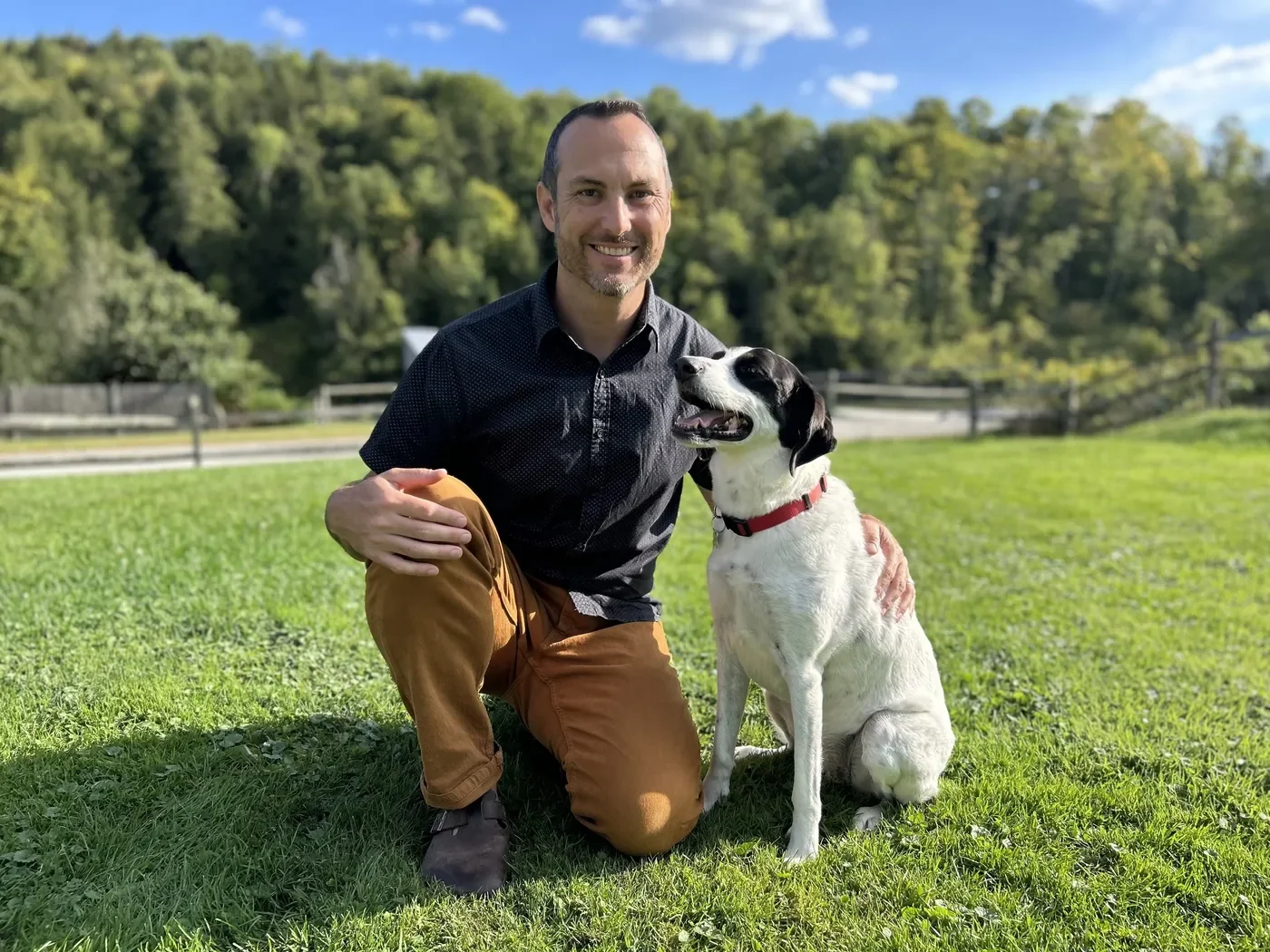
MY APPROACHA Little About Me
I help people heal the patterns that have kept them stuck for decades.
You are probably exhausted from all the work you are doing to manage your symptoms, your emotions, and your life. You are ready to go deeper, to heal in a lasting way. I’m ready to go there with you.
My approach is to guide you inwards to work with all the different parts of you that need healing. I combine gold standard trauma healing with somatics and psychedelic assisted therapy to help you unload the burdens that are holding you back.
IS THIS YOU?Does any of this feel like you?
You need to stay busy all the time.
For you, relaxing isn’t relaxing.
Anger can show up out of nowhere.
The pull to take a drink, or a smoke, or check out is constant.
When something triggers you it’s like you have time traveled into the past.
This all feels like a weight you are managing all the time.
It can be incredibly hard to be vulnerable with people.


PTSD doesn’t have to run your whole life any more.
MY ROLEHow I Help
These may be some of the components of our work together:
Getting to know the protective parts of you
Mapping our your triggers
Developing the ability to be with intense emotions
Building inner trust in yourself
Approaching vulnerable inner wounds

FAQs
-
PTSD (Post-Traumatic Stress Disorder) is a condition that can develop after experiencing or witnessing a traumatic event, causing the brain and body to continue reacting as if the danger is still present.
-
Common symptoms include intrusive memories or flashbacks, nightmares, hypervigilance, avoidance of reminders of the trauma, emotional numbness, and a heightened startle response.
-
PTSD is typically associated with one or more specific traumatic events, while developmental trauma results from prolonged, chronic experiences over time, often in childhood, without a single identifiable incident.
-
Yes. PTSD symptoms can emerge or persist years after the original event, even if they weren't immediately present afterward.
-
Yes. For clients who've reached a plateau with talk therapy alone, ketamine-assisted psychotherapy (KAP) can help access and process trauma that has felt too overwhelming to approach directly.
-
This is common with PTSD — the nervous system can store an incomplete threat response that continues to activate when something resembles the original danger, regardless of present-day safety.
-
No. Many people seek trauma-informed therapy for PTSD-related symptoms without a formal diagnosis; a diagnosis isn't required to begin treatment.
-
Yes. Sessions are available via secure telehealth to adults anywhere in Vermont, as well as in-person in Montpelier.
-
Yes. Hypervigilance, emotional numbness, and avoidance associated with PTSD can create distance and strain in relationships, even when both people want to feel connected.
-
No. While PTSD is often associated with veterans, it can result from any traumatic experience, including accidents, assault, medical trauma, or witnessing harm to others.
-
This varies significantly by person and history; PTSD treatment is generally approached as an ongoing therapeutic process rather than a fixed, short-term intervention.